As residents and businesses continue deep cleaning efforts, those attempting to eradicate germs as a part of battling coronavirus need to keep their own health and safety in mind.
Mixing some cleansing agents and inhaling the vapors can be toxic, experts warn.
The Westmoreland County Hazardous Materials Response Team 800 posted a graphic to its Facebook page on Monday, advising against mixing certain cleaning products.
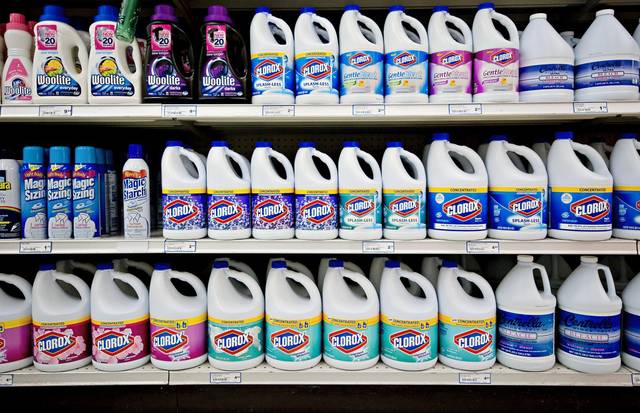
The post specifically addresses mixing bleach with three other components: vinegar, ammonia and rubbing alcohol.
A blend of bleach and vinegar can produce chlorine gas, which can lead to coughing, breathing problems, burning and watery eyes.
A combination of bleach and ammonia can produce the toxic gas chloramine. It can shorten breath and cause chest pain, the post notes.
Mixing bleach and rubbing alcohol makes chloroform, which is highly toxic.
Finally, the team warns against mixing hydrogen peroxide and vinegar, which produces peracetic/peroxyacetic acid, which can be highly corrosive.
Chris Tantlinger, county Team 800 chief, says those products should never be mixed unless under the production or manufacturer’s direction.
”Even new and old types of solutions and/or cleaners could have a different chemical make-up,” he says.
“If you try to mix an old package with a new package, it could cause some concerns, some minor concerns. One of the things to always think about is fresh packaging, fresh types of cleaners and do not mix two unknowns,” he says.
He advises following manufacturer or production company recommendations for any solutions, and not making changes to try to increase a cleaning agent’s strength.
Those actions, Tantlinger says, “would only ask for problems.”
CDC recommendations
The Centers for Disease Control and Prevention has posted several tips for maintaining residential cleanliness, including:
• Clean frequently touched surfaces and objects daily (tables, countertops, light switches, doorknobs and cabinet handles) with a regular household detergent and water.
• If disinfection is needed, the agency lists products with Environmental Protection Agency-approved emerging viral pathogens claims, available at Novel Coronavirus Fight Products. Again, follow manufacturer’s instructions for cleaning and disinfecting.
• If necessary, choose a room in your home to separately house sick household members, and provide a separate bathroom, if possible. Avoid sharing personal items like food and drinks.