About nine in 10 Jews in the United States believe anti-Semitism is a problem in American life today, according to a survey by the American Jewish Committee.
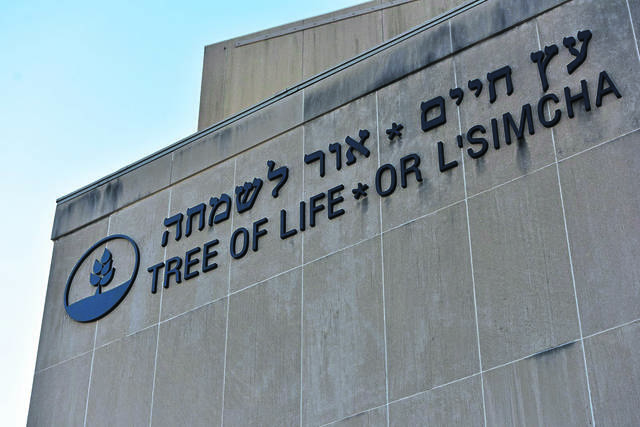
The survey measured American Jewish attitudes about anti-Semitism a year after the Tree of Life synagogue shootings in Pittsburgh’s Squirrel Hill neighborhood. The attack, in which 11 worshipers were killed, occurred one year ago on Sunday.
The survey was based on telephone interviews conducted with a national sample of 1,283 Jews over the age of 18, AJC said.
Of the 88% who described anti-Semitism as a problem, 38% see it as a “very serious problem,” according to the survey.
Eighty-four percent of those surveyed said anti-Semitism in the United States has increased in the past five years, and 42% said the status of Jews in the United States is less secure than a year ago.
Nearly all — 98% — said they have not been the target of an anti-Semitic physical attack in the past five years, but 23% said they have been the target of an anti-Semitic remark in person, by mail or by phone, and 21% said they have been the target of an anti-Semitic remark online or through social media.
One in four said they have avoided certain places, events or situations out of concern for their safety or comfort as a Jew, while 31% have avoided publicly wearing, carrying or displaying things that might identify them as a Jew.
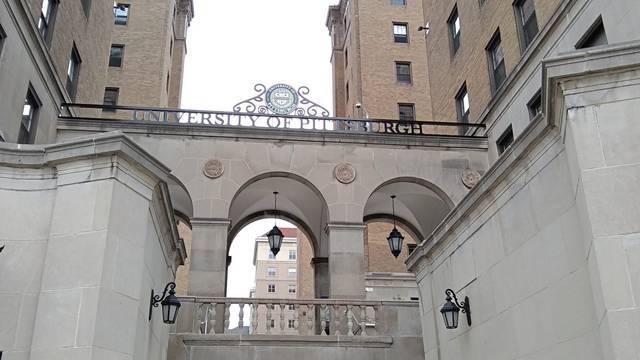
Researchers at the University of Pittsburgh School of Social Work are completing a study to better understand how those who served the Jewish community after the Tree of Life attack are coping with the stress related to the shootings.
The online “Caring for Caregivers” survey was distributed to Jewish agencies and synagogues throughout the region and received more than 171 responses, said Pitt associate professor Rafael “Ray” Engel.
The survey screened for negative factors such as depression, anxiety, lack of sleep and post-traumatic stress, as well as positive factors such as social supports, he said.f