
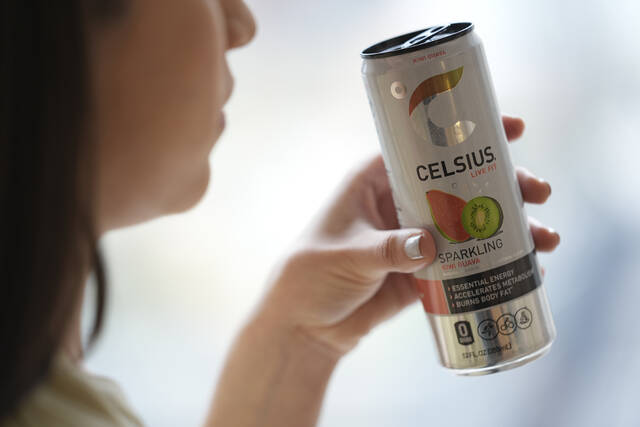
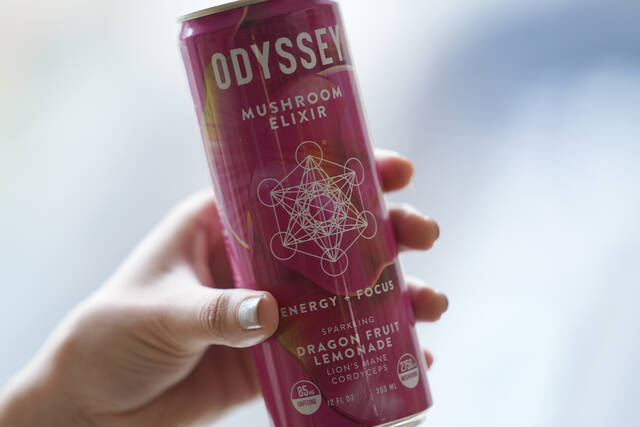
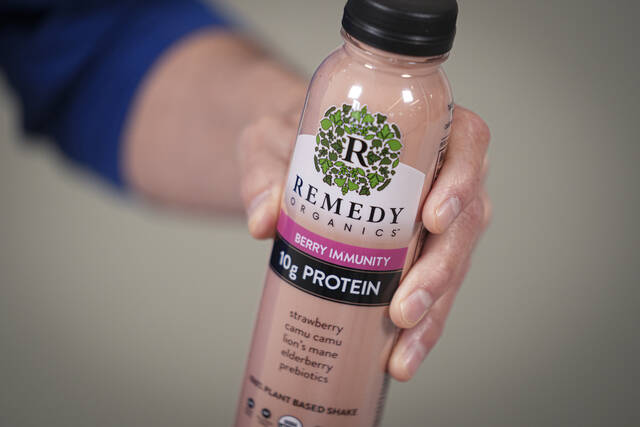


Functional beverages — or drinks promoted as offering mental or physical benefits beyond hydration — are growing in popularity around the world. Hundreds of companies have jumped into the market, hoping to get some buzz with trendy and sometimes unfamiliar ingredients.
Here are some of the latest ones found in functional beverages and what scientists say about them.
Adaptogens
— What are they? Plants and mushrooms that may help your body respond to stress, anxiety and fatigue or enhance feelings of well-being. Examples include American and Asian ginseng (an herb), ashwagandha (an evergreen shrub), eleuthero (a shrub), Rhodiola rosea (a flowering plant) and chaga (a mushroom).
— What does the science say? The Cleveland Clinic says adaptogens are known to trigger chemical reactions that can return the body to a more balanced state. Side effects from adaptogens are rare but depend on the plant. Studies show that adaptogens work best for a short duration (less than six months) because the body can build a resistance to them, making them ineffective over time.
Nootropics
— What are they? Also known as “smart drugs,” nootropics are substances that can improve human thinking, learning and memory. Among the most common nootropics are caffeine, L-theanine (an amino acid found in tea), creatine (an amino acid naturally found in meat and fish), Bacopa monnieri (an herb), Gingko biloba (a tree) and lion’s mane (a mushroom). Some adaptogens may also have nootropic properties, like ashwagandha.
— What does the science say? In a study last year in the journal Plants, researchers said that most plant-based nootropics are not immediately effective after a single dose and must be taken for an extended period before any measurable improvement occurs. One problem in research on these natural substances has been standardizing the form they are taken in and the dosage, the study said. Side effects are rare and usually mild, but users should consider their overall health and whether nootropics could affect any other medications before ingesting them.
Probiotics and prebiotics
— What are they? Probiotics are foods or supplements that contain live microorganisms intended to maintain or improve the “good” bacteria in a person’s gut or other parts of the body. They are naturally found in fermented foods like yogurt, kefir, cottage cheese, kombucha and sauerkraut. Prebiotics are food for the bacteria and other organisms that live in the gut. Prebiotics can be found in whole grains, bananas, greens, onions, garlic, soybeans and artichokes.
— What does the science say? The Cleveland Clinic says probiotics, in theory, work alongside the beneficial microbes in the human body to fight off harmful bacteria, fungi, viruses and parasites. Researchers know that unhealthy microbiomes can contribute to chronic diseases like irritable bowel syndrome. They may also influence mood, pain tolerance and fatigue. The Cleveland Clinic and the Mayo Clinic say there is a lot of active research into the microbiome and the impact of probiotics and prebiotics, but not enough evidence to draw solid conclusions about their effectiveness. Side effects are rare except for people with weak immune systems, whose bodies might not be able to fight off a probiotic that inadvertently contains harmful microbes.
CBD
— What is it? CBD, or cannabidiol, is an active ingredient in cannabis. While it is one of hundreds of components in marijuana, CBD doesn’t cause a high by itself. CBD has been used to treat epilepsy and may also help alleviate anxiety, insomnia, chronic pain and addiction. Side effects could include nausea, fatigue and irritability.
— What does the science say? In an article published in April, Harvard Medical School said CBD appears to be a helpful, relatively non-toxic option for managing anxiety and other issues. But it said more research is needed to pinpoint effective doses.