Since 2020, the number of people depending on SNAP benefits — the government program previously called food stamps — has grown. In 2019, the number of Pennsylvanians was 1.6 million. Today, it is 1.8 million.
The amount of money spent on the program in Pennsylvania has grown from $2.4 billion in 2019 to a high of $5.43 billion in 2021. It dropped back to $5.4 billion in 2022 and is expected to fall further in 2023 as an additional pandemic amount given to beneficiaries is discontinued in March.
This was going to be necessary. The increases couldn’t last forever. Recipients either were moved up to the maximum allowed for their family size or they received an additional $95 in benefits if they already were at that maximum. It was an important intervention at a time when shelves were empty and many of the service jobs that supported low-income families were in flux because of pandemic precautions.
The end to this program will bring a different kind of complication than the upheaval of Medicaid and CHIP approvals that comes in April. The food insecurity issue will not just affect the people who stop receiving the benefit.
It is almost guaranteed to hit the people who never qualified for it.
The Pittsburgh area became an example of the food insecurity issue in the early days of the pandemic when massive food bank lines showed the scope of need.
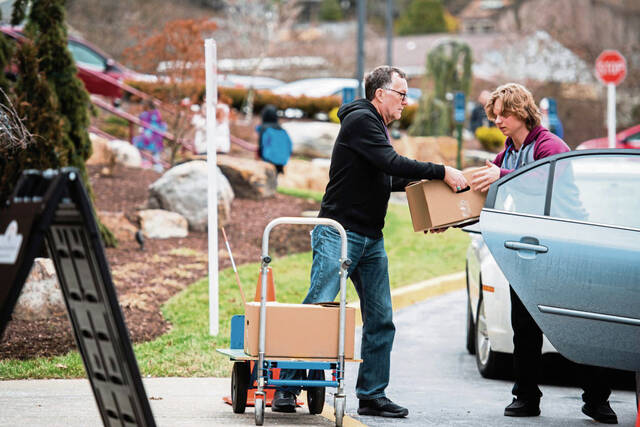
In the ensuing three years, many people still have relied on food banks and local pantries. Some of these are people who fall between the cracks of those who qualify for help and those who can get by without it. The inflation that has spiked so many once-affordable staples — including eggs, milk and bread — hasn’t helped.
Now, food banks are expecting the disappearing SNAP benefits to create even more demand.
“Everyone’s in an uproar and a panic,” said Chelsey Speed, CEO and founder of the Speed Family Blessing Box and Pantry in Arnold. “I’m doing everything I possibly can to get support to brace ourselves for that. It’s going to hit and hit hard.”
There also are people who won’t qualify for SNAP at all now, such as seniors who received a Social Security cost of living increase that moved them out of benefit eligibility.
The increased stress on nonprofit reserves will be felt by real people. It will require real work to alleviate it.
People have stepped up to do what they can to help food banks. So have businesses. Even government has made an effort, like Westmoreland County commissioners designating a portion of American Rescue Plan funds to tackle food insecurity.
But increased demand is going to require even more.
Food is more than just something that keeps us alive. It’s a way that we bond with each other — it’s how we celebrate, mourn and share. And, in the face of such pressure, food banks are going to need a lot more sharing.