The Pennsylvania State Police said Tuesday the department has embarked on a data collection program designed to identify patterns of racial/ethnic disparities in policing.
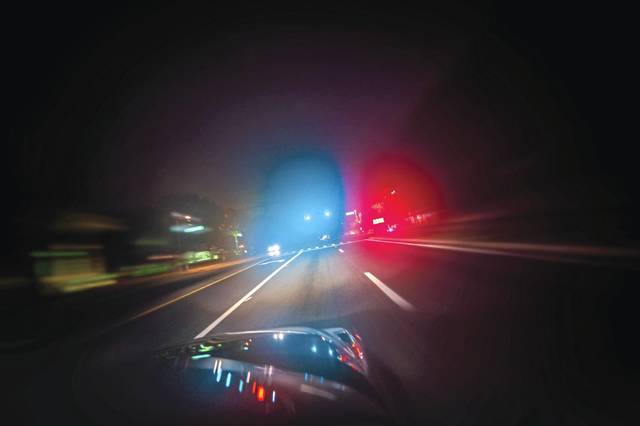
Troopers statewide have begun documenting additional information during traffic stops, regardless of whether the encounter results in a citation or written warning. The contact data includes driver and passenger age, gender, race and ethnicity. Troopers also record the duration of the stop, whether a vehicle search was conducted, and the results of the search, if applicable.
The data will be analyzed by researchers at the University of Cincinnati to identify potential patterns of racial/ethnic disparities in policing and, if appropriate, recommend changes to State Police policy or training.
“Troopers take an oath to enforce the law ‘without any consideration of class, color, creed or condition,’ ” said Pennsylvania State Police commissioner Col. Robert Evanchick. “This data collection effort is one way to show the public we are upholding that oath. Regular and ongoing analysis by a neutral third party is a critical part of this program that emphasizes our department’s commitment to transparency and continuous improvement.”
State Police previously conducted a contact data reporting program from 2002 through 2011, with University of Cincinnati researchers examining patterns and trends in traffic stops to better inform changes in policy and training.
The new program will benefit from advances in technology over the past decade, and the ongoing national conversation about the relationship between police and the communities they serve has reinforced the importance of collecting and analyzing this type of data, said Evanchick.
“Contact data reports were previously completed and reviewed by hand, which was a cumbersome and time intensive method,” he said. “For this project, we have digitally streamlined the process and integrated contact data reports with our existing mobile office environment to minimize the impact data collection has on the duration of traffic stops.”
The independent research team is led University of Cincinnati criminal justice professor Robin Engel, an expert in empirical assessments of police behavior, police use of force and police-minority relations.
The program runs through the end of 2021.